Category: Earth Science
-

Top 10 Deadliest Volcanoes
A volcano forms when liquid rock or magma, from the planet’s top mantle, makes its way to the surface — causing a rupture that allows the eruption of dangerous lava flow and volcanic ash deposits. There are 3 common type of volcanoes: Strato or Composite, Shield and Caldera. Tamu Massif, an extinct underwater shield supervolcano…
-
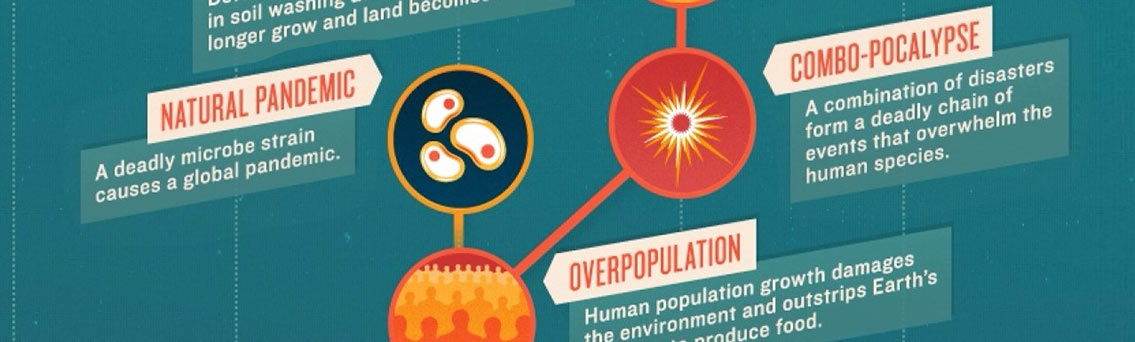
How Long Will The Human Race Last?
Apocalypse, armageddon, rapture, doomsday, judgment day or whatever term you want to call it, the human race is aware of the apocalyptic threats that could wipe out all species on Earth. Different global threats range from weapons of mass destruction and natural pandemic to asteroid impact and alien invasion – just waiting to happen on…
-

How Oil is Formed
Initially used for electricity generation and heating, oil has become the driving force of an industrialized nation. The US Energy Information Administration stated that around 75% of the 6.79 billion barrels of crude oil consumed in the United States in 2012 were heating oil, diesel, gasoline and jet fuel. But petroleum is not just utilized…
-
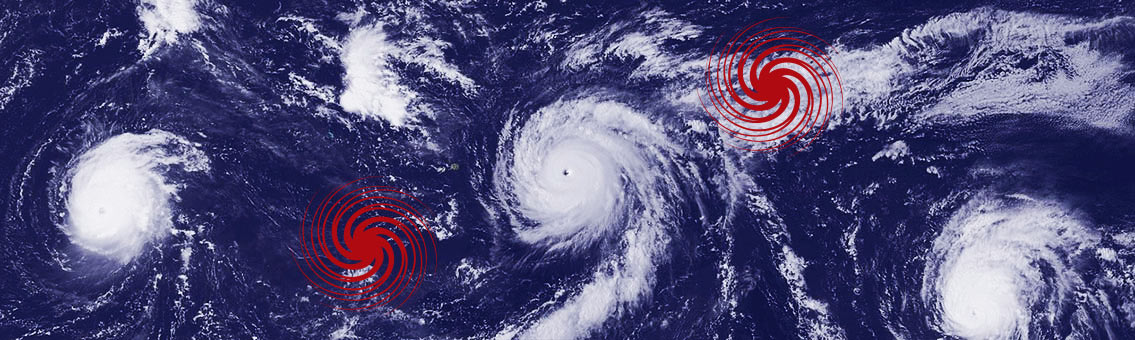
Damages Caused by Hurricanes to American Homes
Hurricanes are formed as groups of thunderstorms above warm tropical seas. This tropical cyclone grow into a spiral, with a low pressure ring at the center, known as the eye. A hurricane has a destructive power that can annihilate all houses and structures in the coastal areas with a sustained winds closed to 156 mph,…
-

The Composition of Air We Breathe
It’s free, it’s everywhere and we can’t live without breathing it—but how clean is the air we’re inhaling right now? Based on the report from the American Lung Association, close to 148 million Americans live in cities where airborne toxins from smog caused by industrial emissions have led to harmful levels of pollution. The fumes…
-

Future State of the World in the Next 50 Years
Earth’s natural resources, such as water, air and fertile land that nurture plants and animals, are the things that keep all 7+ billion of us alive. However, the rapidly growing human population, which contribute to the rising consumption of these resources, is threatening our sustainability on this planet. See the future state of Earth in…
-

-

How Many People Can The Earth Hold?
It took us thousands of years to reached the first billion population in 1804, only 123 years to reach the second billion in 1927 and just 33 years to gain three billion in 1960. Then, the world population got to four billion in 1974, five in 1987, six in 1999 and the United States Census…
-

Earth Day: Save on Tax by Saving The Planet
2016 marks the 46th annual celebration of World Earth Day. For the taxpayers who are kind to the environment may find that the environment can be kind to them too—in the form of saving money on their upcoming tax return. Here are some illustration of the environmentally-related tax credit to think about and items to…
-

How Does Climate Change Affect Agriculture
Agriculture is a vital sector of a nation’s economy and are very dependent on certain climate conditions. The global changes in temperature, wind flow, precipitation, seasons time frame and extreme weather events could make it harder to grow crops, raise livestock, and catch fish. This graphic present more details on how does climate change affect…