Category: Biology
-
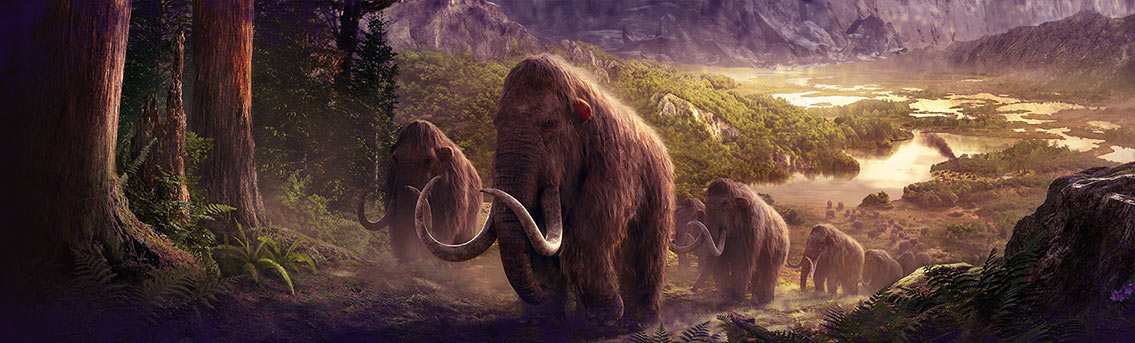
Resurrection Biology: Cloning Woolly Mammoth
Biologist and cloning researcher are getting closer to bringing back to life the extinct poster animal of the Ice Age, the woolly mammoth. In Russian lab, paleontologists are doing an autopsy on the 40,000 year old Pleistocene mammal to learn how it lived and died. While scientists in South Korea and Harvard University are both…
-

Human Blood: The Ultimate Guide
Through physical examination, blood is really thicker than water and there’s so much more to the presence of blood than the human eye is allowed to see. Part of CNN’s Your Body: The Ultimate Guide series, Dr. Sanjay Gupta tell us some interesting facts about the human blood and how it works throughout the body…
-
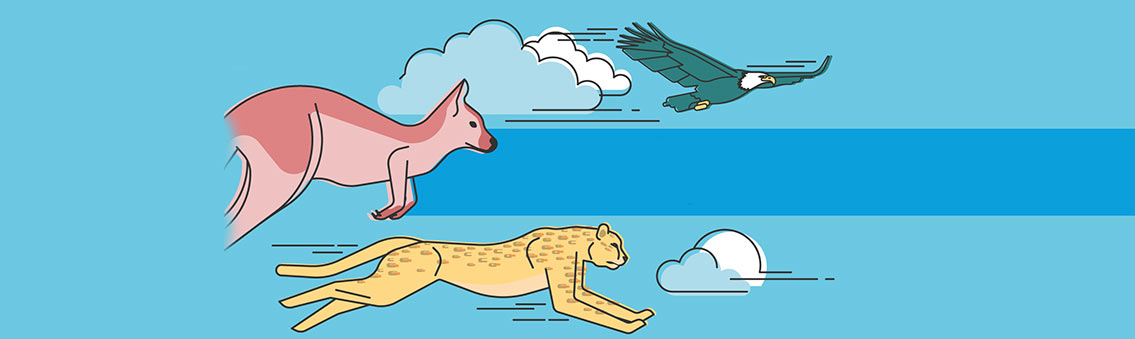
Travelling Speeds of Animals
Speed is valuable for the survival of animals in the wild. They can use their quickness to escape from predators or to hunt and pursue preys. This infographic measure and compare the speed of different animals on land, see and air-from different parts of the globe. Also see the Animal Hearing Ranges Compared to Human…
-

100+ African Elephants Slaughtered for Ivory each Day
Illegal wildlife hunting and slaughtering of African elephants for ivory is big business for poachers in Africa. What is ivory used for today? Ivory from elephant tusks are carved into vanity products like jewelry, figurines, billiard balls and piano keys. Asian demand for African ivory is driving the poaching crisis in Africa. The price of…
-
The Possibility of a Zombie Apocalypse
The popular culture is obsessed with zombies and a lot of them have taken measures to survive on what they believe as an inevitable zombie apocalypse. In modern films about walking undead, the cause of the feared disease is a viral infection. The reanimation of human corpses is caused by either a virus, bacteria or…
-

Pros and Cons of Human Cloning
Bazar Shop is a popular multipurpose WooCommerce theme made by YiThemes.
-

How Animals See the World
The human eyesight is better than most species in the animal kingdom. We see a colorful world because our eyes possess three photoreceptors(red, blue and green). Some animals have better peripheral vision in daytime and nighttime and some unlucky creatures are nearsighted and color blind. Some have incredible visual acuity that they can observe ultraviolet…
-

Whale Poaching in Japan
Whales are migratory species that takes time to mature, and have high value for both tourism and whalers. Since the International Whaling Commission (IWC) banned commercial whale poaching in 1986, Japan has killed over 10,000 of these endangered marine mammals. Hunted for their blubber and meat, the Japanese whalers had been killing tons of minke…
-
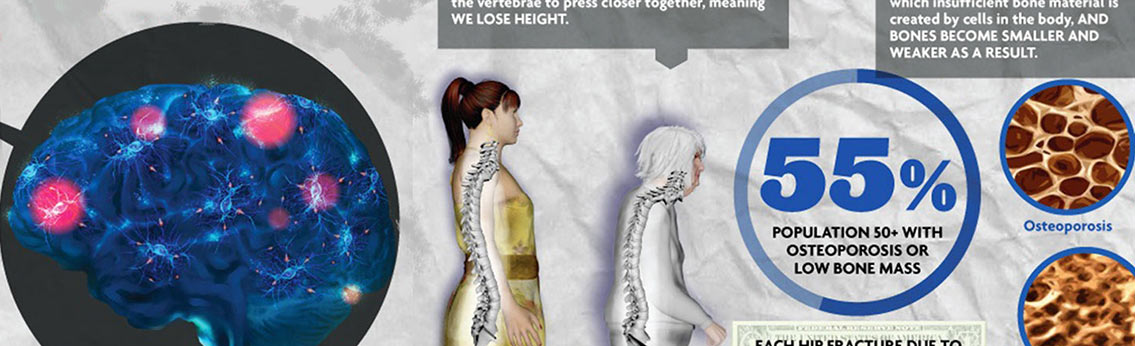
The Science of Getting Old
As we age, our body enter a biological aging process in which our system naturally deteriorate and we become more vulnerable from everyday wear and tear. At old age, many important physical and mental functions stared to fail. This graphic answer the commonly ask questions about human aging; why do we age, why our hair…
-
The Life of a Cow
In a natural environment, cows can live up to 20 years. When a cow is born in a dairy farm, he or she is separated from her mother within just 24 hours of birth. Mothers are placed back to the milking herd in order to maximize profits. Male calf are chained for 16 weeks before…